Land Grading in Salt Lake City, UT
Land grading services involve reshaping the surface of a property to ensure proper drainage, stability, and a level foundation for future construction or landscaping projects. This process typically includes removing excess soil, filling low spots, and smoothing the terrain to prevent water pooling and erosion. Homeowners often request land grading when preparing a yard for new landscaping, installing a driveway, or building a structure such as a deck or patio, as well as when addressing issues caused by uneven ground or poor drainage.
Before requesting land grading, property owners should consider the current slope and drainage patterns of the land, as well as any specific goals for the project. It is helpful to understand the desired final grade, the type of soil present, and any existing features that may influence the grading process. Clarifying these details can ensure the work aligns with the property’s needs and helps achieve a stable, well-drained outdoor space.
Many property owners in Salt Lake City, UT look into Land Grading for repairs, replacements, upgrades, and appearance-related improvements.
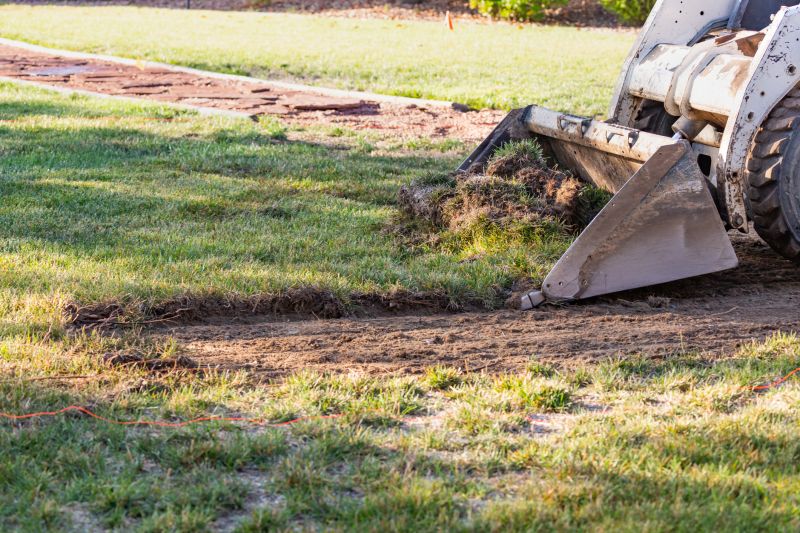
Foundation Preparation
Proper land grading ensures a stable foundation for new construction or renovations.
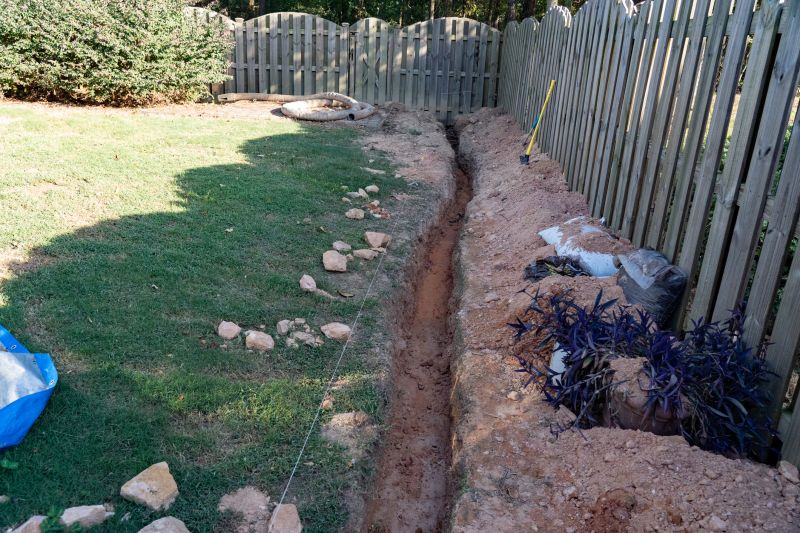
Drainage Improvement
Land grading helps direct water away from structures to prevent flooding and water damage.
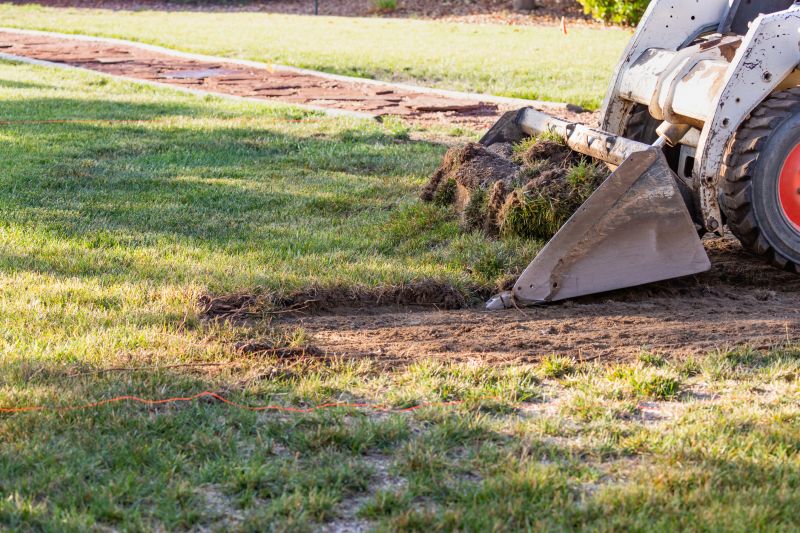
Landscaping Support
Effective grading creates a level base for lawns, gardens, and outdoor features in salt lake city, ut.
Land Grading in Salt Lake City, UT

Land grading services involve reshaping the surface of a property to ensure proper drainage, stability, and a level foundation for future construction or landscaping projects. This process typically includes removing excess soil, filling low spots, and smoothing the terrain to prevent water pooling and erosion. Homeowners often request land grading when preparing a yard for new landscaping, installing a driveway, or building a structure such as a deck or patio, as well as when addressing issues caused by uneven ground or poor drainage.
Before requesting land grading, property owners should consider the current slope and drainage patterns of the land, as well as any specific goals for the project. It is helpful to understand the desired final grade, the type of soil present, and any existing features that may influence the grading process. Clarifying these details can ensure the work aligns with the property’s needs and helps achieve a stable, well-drained outdoor space.
Many property owners in Salt Lake City, UT look into Land Grading for repairs, replacements, upgrades, and appearance-related improvements.
Common Land Grading Jobs
Land grading services help create a level and properly sloped property surface for drainage and stability.
They are essential for preparing a site before installing landscaping, driveways, or patios.
Proper grading prevents water accumulation and reduces the risk of soil erosion around the property.
Land grading can improve the overall appearance and functionality of residential yards.
It is often used to prepare land for new construction or to correct existing drainage issues.
Ensuring correct grading promotes a safe, well-drained outdoor space for homeowners.
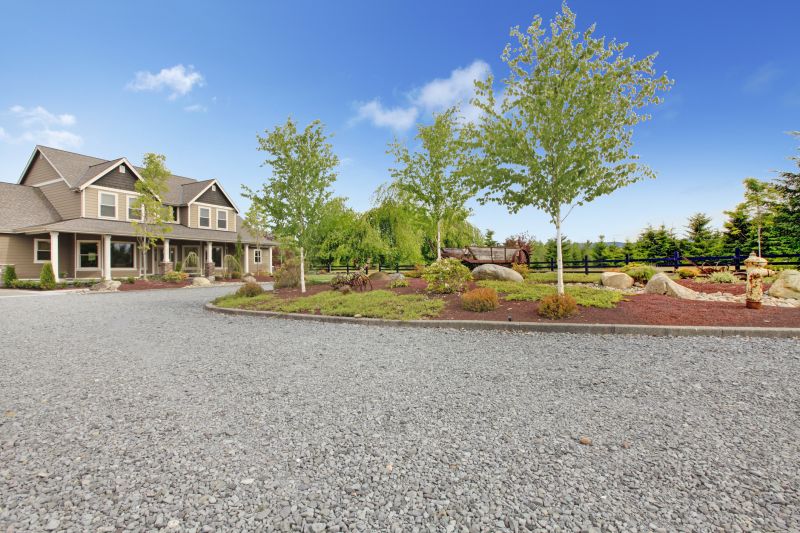
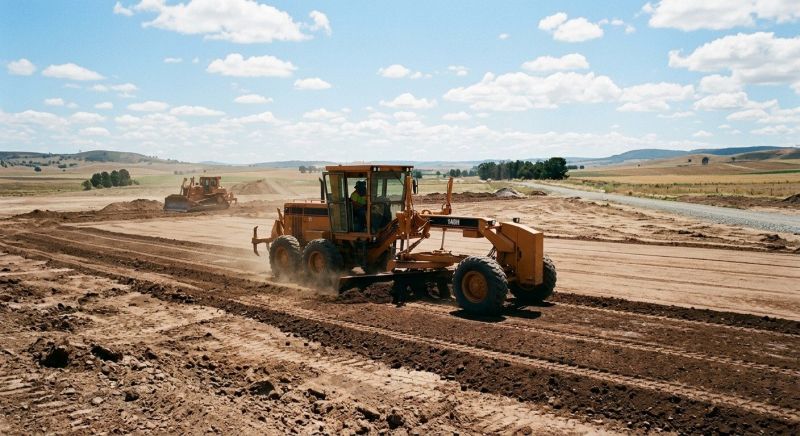
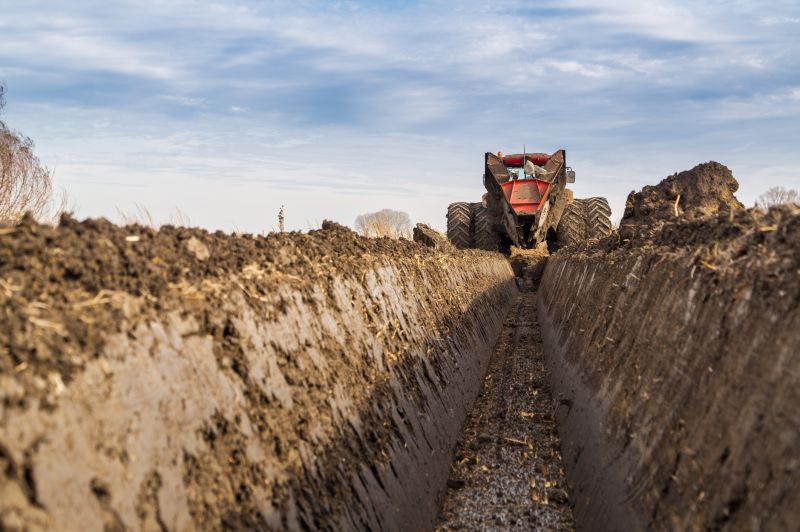
Land Grading Questions
What is land grading? Land grading involves shaping the soil surface to ensure proper drainage and a stable foundation for construction or landscaping projects.
Why is land grading important for property owners? Proper grading helps prevent water pooling, reduces erosion risks, and creates a level surface for lawns, driveways, or building foundations.
What types of projects typically require land grading? Projects such as new construction, lawn installation, driveway paving, and landscape redesign often need land grading services.
What should property owners consider before scheduling land grading? It’s important to assess existing terrain, drainage patterns, and the desired final surface to determine the scope of grading needed.
Request Land Grading in Salt Lake City, UT
Use the quote form on this page to share the basics of your project and request more information for the type of work you need.